

Your Complete Guide
Pearl Guide
A pearl is a natural creation of a shellfish living in a lake or the sea. Discover everything about these timeless gems.
Nature's Gem
How Do Pearls Grow?
Pearls are naturally produced by the defensive response of a bivalve or gastropod. When invaded by an unwanted intruder, the creature forms an encasing vesicle — the "Pearl Sac" — filled with nacre, more commonly known as mother of pearl. Many repetitions of this process is what eventually forms a natural pearl.
Natural, Cultured & Simulated Pearls
Natural and Cultured pearls are both "real" pearls, made of the same material, grown by the same molluscs. The difference is that with cultured pearls, the initial process has been initiated by a pearl farmer, rather than occurring by chance. Simulated pearls are simply imitations manufactured using an artificial process.
Harnessing Nature
The modern pearl culturing process was developed by British biologist William Saville-Kent between 1892 and 1895. For many years, it was believed the Japanese — notably Mikimoto, Nishikawa, and Mise — were responsible for perfecting the technique.
How Pearls Are Born
A natural miracle enhanced by human expertise
The Beginning
A small irritant or nucleus is carefully placed inside an oyster or mussel.
Natural Defence
The mollusc secretes nacre (mother-of-pearl) to coat the irritant, layer by layer.
Years of Growth
Over 2-7 years, thousands of nacre layers create the pearl's lustre and beauty.
The Harvest
Expert farmers carefully harvest and sort pearls by quality, size, and colour.
Types of Pearls
Each pearl type has its own unique characteristics, origins, and beauty. Discover which pearl speaks to you.

Akoya Pearls
Renowned for their perfectly round shape and mirror-like lustre, Akoya pearls are the quintessential pearl. Cultivated in the pristine waters of Japan and China, these pearls embody timeless elegance.
- Origin
- Japan & China
- Size Range
- 2-11mm
- Colours
- White with pink or silver overtones
- Price Range
- Moderate to High
- ✓ Exceptional lustre and shine
- ✓ Nearly perfect round shape
- ✓ Smooth, blemish-free surface
- ✓ Classic white and cream colours
Ideal for: First-time pearl buyers, classic jewellery, bridal pieces
Shop Akoya Pearls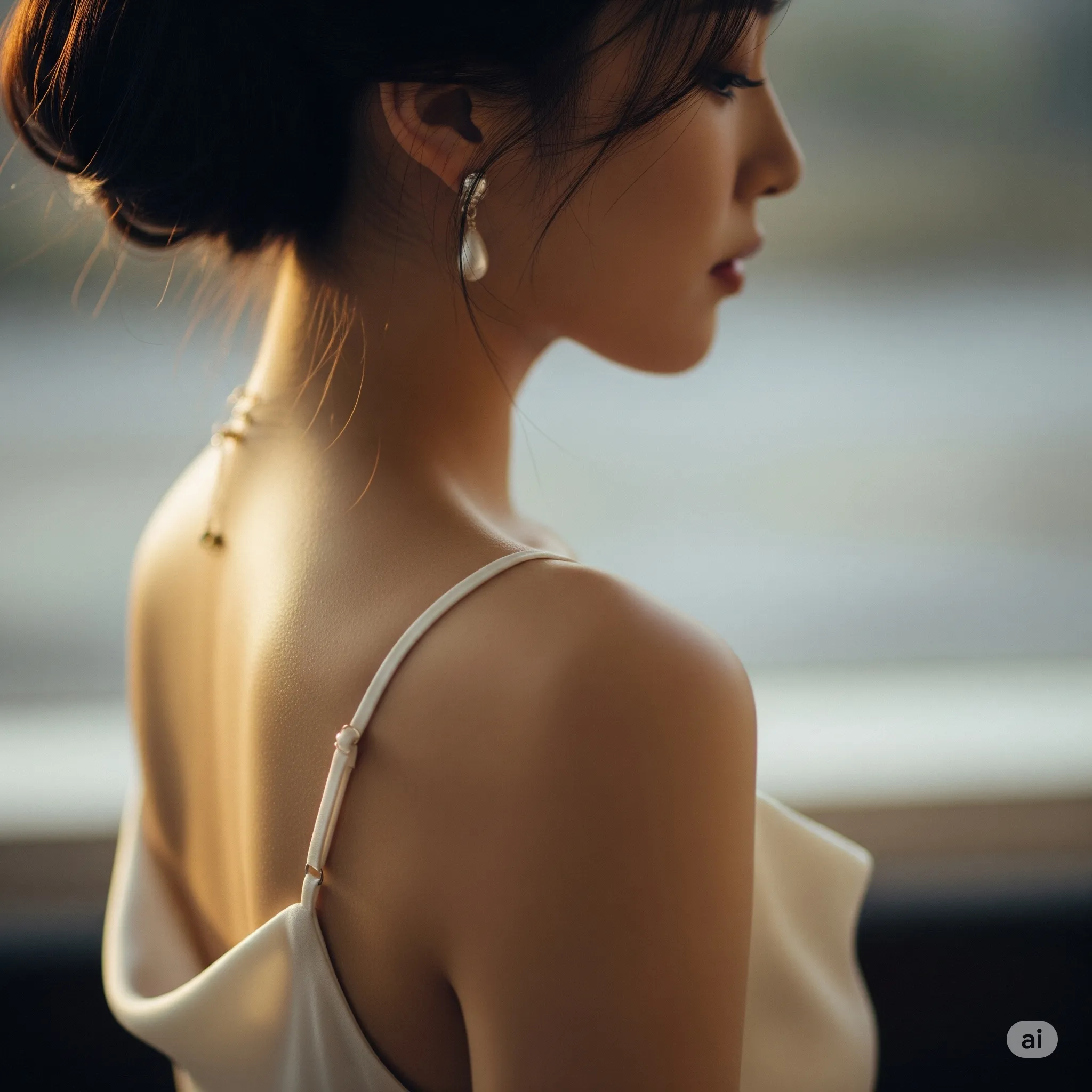
Freshwater Pearls
Freshwater pearls offer exceptional value and variety. Cultivated in freshwater mussels, these pearls come in an array of shapes, sizes, and colours.
- Origin
- China
- Size Range
- 2-15mm
- Colours
- White, Pink, Lavender, Peach
- Price Range
- Affordable
- ✓ Wide variety of shapes and colours
- ✓ Excellent value for money
- ✓ Durable and long-lasting
- ✓ Natural pastel tones
Ideal for: Everyday wear, fashion jewellery, budget-friendly
Shop Freshwater Pearls
Tahitian Pearls
Tahitian pearls are treasured for their dramatic dark colours and exotic overtones. Cultivated in the black-lipped oyster of French Polynesia.
- Origin
- French Polynesia
- Size Range
- 8-18mm
- Colours
- Black with peacock or green overtones
- Price Range
- High
- ✓ Natural dark colours
- ✓ Exotic peacock and green overtones
- ✓ Large sizes available
- ✓ Unique and dramatic appearance
Ideal for: Statement pieces, contemporary jewellery
Shop Tahitian Pearls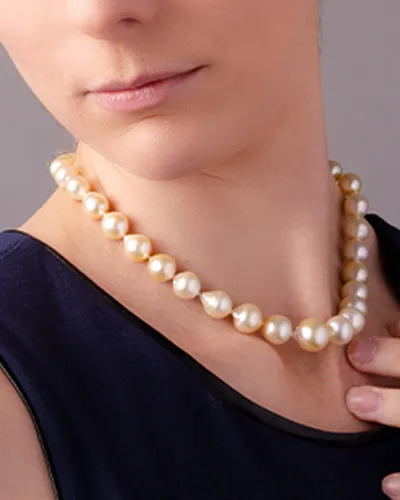
South Sea Pearls
South Sea pearls are the largest and most valuable pearls in the world. Cultivated in the warm waters of Australia, Indonesia, and the Philippines.
- Origin
- Australia, Indonesia, Philippines
- Size Range
- 8-20mm
- Colours
- White, Golden, Silver, Champagne
- Price Range
- Premium
- ✓ Largest cultured pearls
- ✓ Thick nacre for durability
- ✓ Soft, satiny lustre
- ✓ Rare golden varieties
Ideal for: Luxury jewellery, investment pieces, special occasions
Shop South Sea Pearls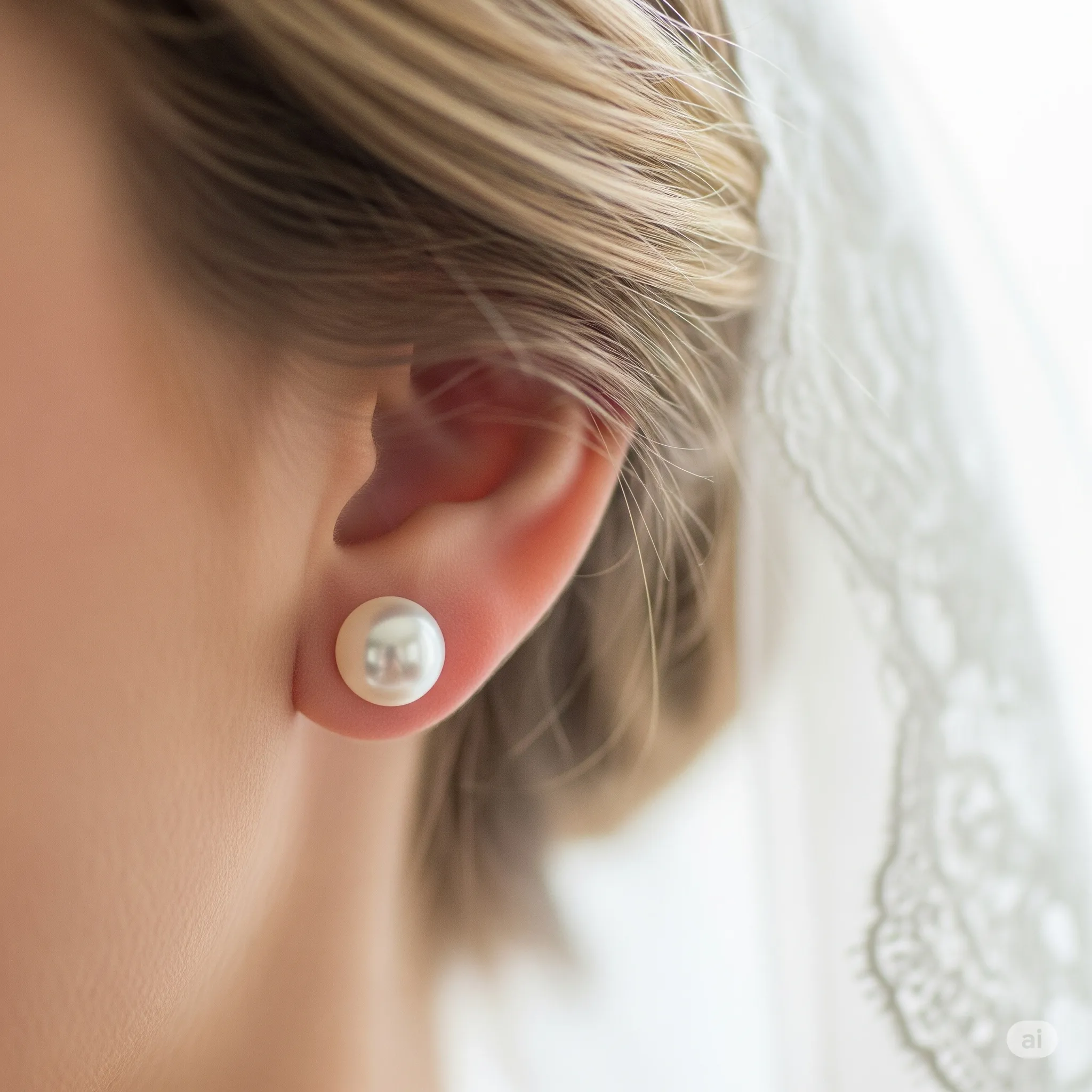
Keshi Pearls
Keshi pearls are unique baroque pearls formed as a by-product of the culturing process. These all-nacre pearls have exceptional lustre.
- Origin
- Various (Japan, Tahiti, Australia)
- Size Range
- 4-15mm
- Colours
- White, Silver, Grey, Golden
- Price Range
- Moderate to High
- ✓ Solid nacre composition
- ✓ Exceptional lustre
- ✓ Unique baroque shapes
- ✓ No nucleus core
Ideal for: Artistic jewellery, unique pieces, collectors
Shop Keshi PearlsUnderstanding Pearl Quality
Learn what makes a pearl exceptional. These five factors determine a pearl's beauty and value.
The intensity and sharpness of light reflected from a pearl's surface. The thicker the layers of nacre, the deeper the lustre.
Grades: A, AA, AA+, AAA, AAAA
Look for pearls with sharp, bright reflections.
The smoothness and cleanliness of the pearl's surface.
Grades: A, AA, AAA, AAAA
Minor blemishes are acceptable and add character.
The overall form of the pearl — round, near-round, oval, button, drop, or baroque.
Round pearls are rarest, but baroque shapes offer unique beauty.
The diameter of the pearl, measured in millimetres. Small (2-5mm), Medium (6-8mm), Large (9-12mm), Very Large (13mm+).
Larger pearls are rarer and more valuable.
The body colour and overtones of the pearl — including body colour, overtone, and orient.
Choose colours that complement your skin tone.
Caring for Your Pearls
Keep your pearls beautiful for generations.
Last On, First Off
Put pearls on after applying cosmetics and perfume. Remove them first when undressing.
Gentle Cleaning
Wipe pearls with a soft, damp cloth after wearing. Never use ultrasonic cleaners.
Proper Storage
Store pearls separately in a soft pouch or lined box to prevent scratching.
Wear Them Often
Pearls benefit from your body's natural oils — regular wear keeps them lustrous.
Professional Care
Have pearl necklaces restrung every 1-2 years if worn frequently.
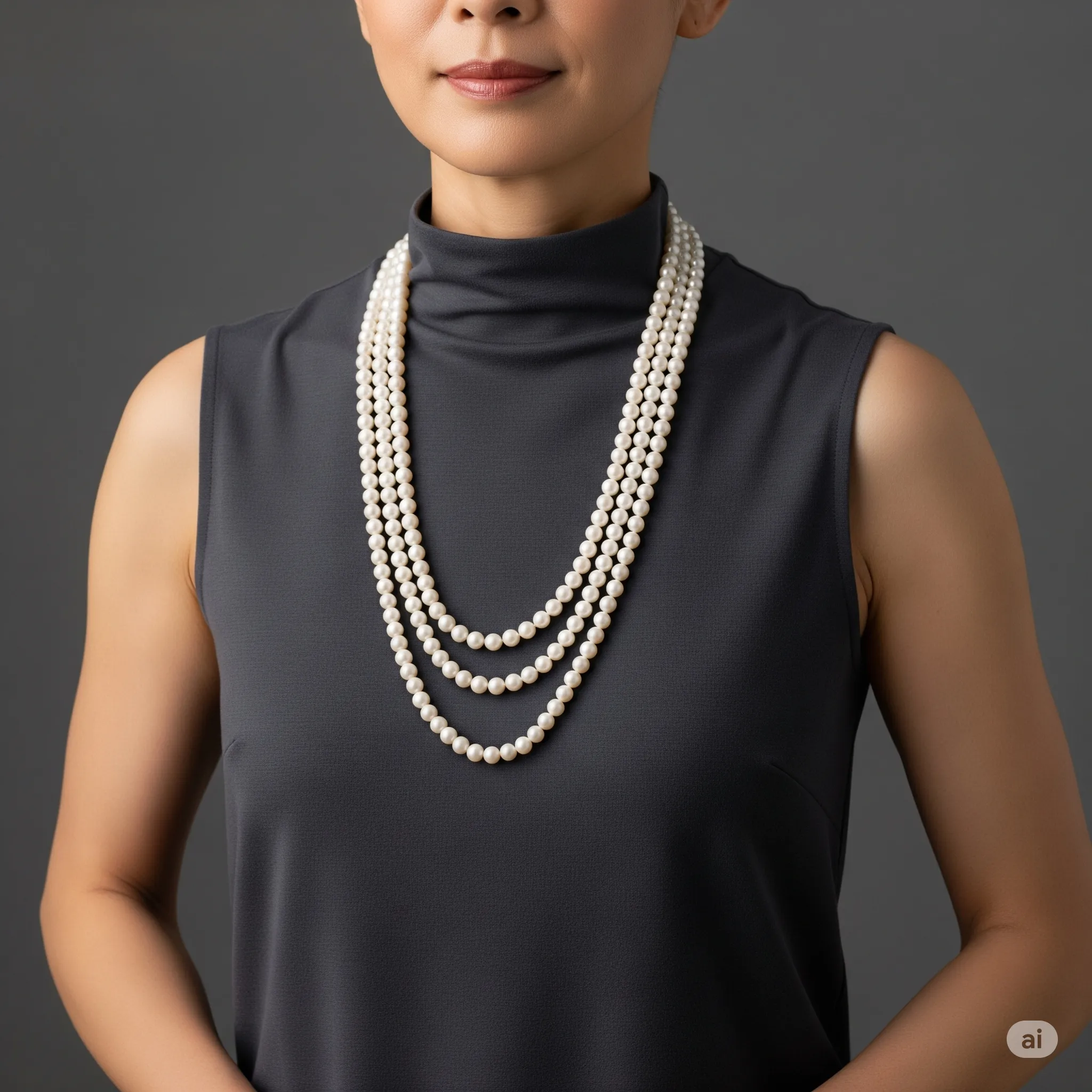
Ready to Find Your Perfect Pearl?
Now that you're a pearl expert, discover our stunning collection of pearl jewellery.